

Gambling beliefs across cultures How different societies perceive chance and luck
Understanding Gambling in Different Cultures
Gambling has been an integral part of human civilization, with its roots tracing back thousands of years. Different societies have developed unique beliefs and practices surrounding gambling that reflect their cultural values and historical contexts. In some cultures, gambling is viewed as a leisure activity, while in others, it is seen through a lens of morality or superstition. This divergence in perspectives can shape how individuals approach games of chance and their understanding of luck. Platforms such as https://spinformulacasinoonline.com/ illustrate this diversity by offering resources tailored to different cultural perspectives on gambling.
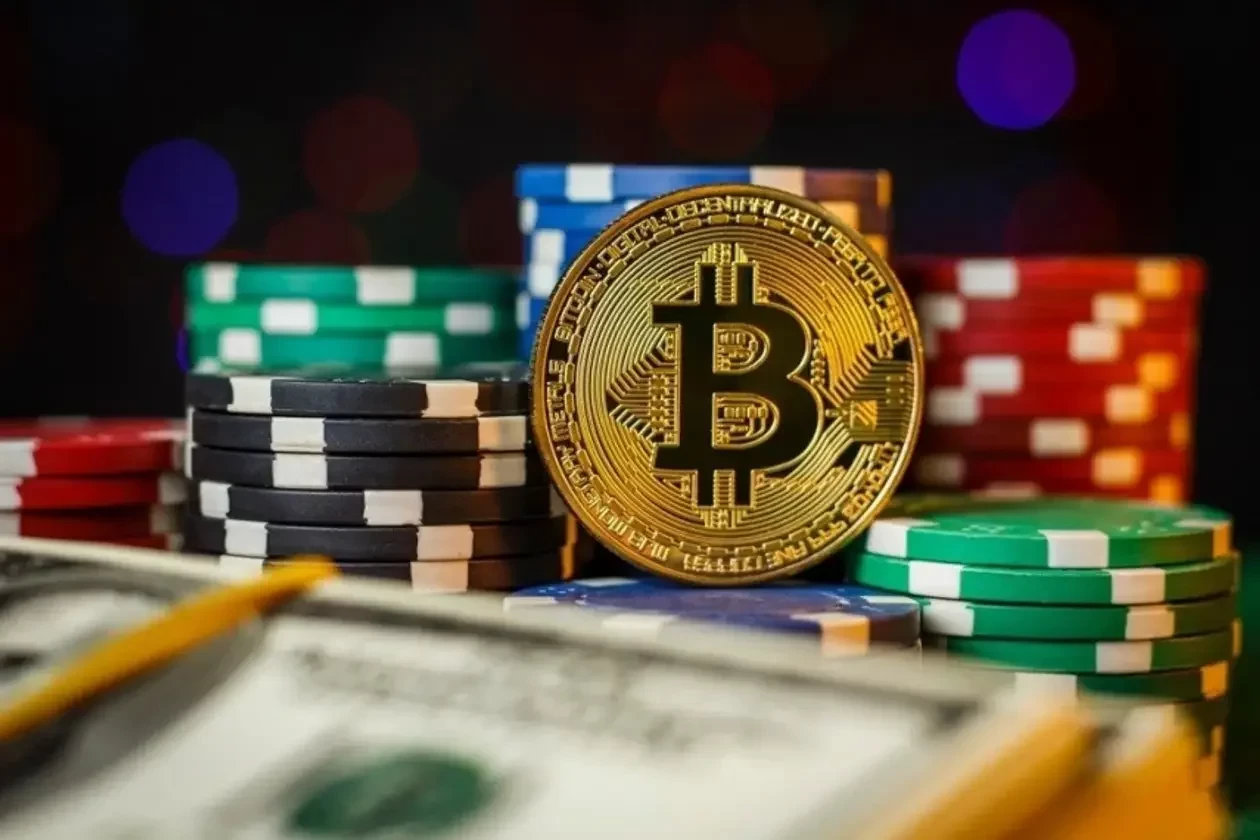
For example, in many Western cultures, gambling is often associated with entertainment and personal freedom. Casinos and betting shops are commonplace, and the act of placing a bet can be viewed as a personal choice. Conversely, in certain Asian cultures, gambling may be intertwined with social rituals and ancestral worship, leading to a more complex understanding of luck that goes beyond mere chance. These cultural nuances influence not only individual behaviors but also the societal norms surrounding gambling.
Moreover, the psychological aspects of gambling vary across cultures. For instance, individuals in societies that emphasize collectivism may engage in communal forms of gambling, where success and failure are shared among the group. In contrast, more individualistic societies may focus on personal gain and self-reliance. Understanding these differences is essential for comprehending how various cultures perceive gambling and the underlying beliefs that inform their views on luck and chance.
Superstitions and Beliefs in Luck
Across various cultures, superstitions play a crucial role in shaping gambling behaviors. These beliefs often stem from historical events, folklore, or religious practices, which can significantly impact how individuals perceive luck. For example, in the United States, many gamblers rely on “lucky” numbers or rituals, such as wearing specific clothing or carrying talismans, to boost their odds. These practices highlight a belief in external forces that can influence outcomes, emphasizing the psychological comfort they provide.
In Asian cultures, certain numbers and symbols hold particular significance. For instance, the number eight is considered auspicious in Chinese culture and is associated with wealth and prosperity. Consequently, this belief affects gambling practices, with many choosing to place bets on the number eight or related symbols in games. Such cultural beliefs illustrate how luck is not merely a random occurrence but is often linked to deeply held traditions and values.
Furthermore, the role of rituals is prominent in many gambling practices. For instance, some cultures may perform specific rites before engaging in gambling, such as prayers or offerings to deities. These rituals serve to invoke luck and express hope for a favorable outcome. Such practices reveal the intertwining of chance with spiritual beliefs, showcasing how luck is perceived as a combination of fate and human action within different societies.
The Social Aspects of Gambling
Gambling often serves as a social activity, bringing people together for entertainment and communal bonding. In various cultures, gambling can be a focal point for gatherings, celebrations, and even family events. For example, in many Indigenous communities, traditional games of chance are played during festivals, fostering a sense of unity and shared experience. These social dimensions highlight the importance of context in understanding gambling as more than a solitary pursuit.
In contrast, some cultures approach gambling with caution, associating it with negative social consequences. This perception can lead to societal stigmatization of gambling activities, pushing them into the shadows. In these contexts, individuals may gamble in secrecy, reflecting a complex relationship with chance and luck that is influenced by societal norms and moral frameworks. This duality emphasizes how social acceptance or rejection can shape gambling practices within different communities.
Moreover, the social implications of gambling can extend to economic factors. In some regions, gambling is viewed as a means of economic advancement, where individuals hope to change their fortunes through chance. This perspective can create a cycle of aspiration and disappointment, where the allure of luck becomes a driving force in social interactions. Understanding these dynamics is crucial for grasping the multifaceted role of gambling in society and how cultural perceptions of luck can influence communal ties.
The Impact of Technology on Gambling Perceptions
The rise of online gambling has transformed how people interact with chance and luck, leading to a shift in cultural perceptions. In recent years, digital platforms have made gambling more accessible, allowing individuals to engage in games of chance from the comfort of their homes. This accessibility has resulted in an increased acceptance of gambling as a mainstream activity in many cultures, altering traditional beliefs about luck and chance.
Technology has also introduced new forms of gambling, such as virtual reality casinos and mobile betting apps. These innovations have created an immersive experience that can heighten the perception of luck as a dynamic and controllable aspect of gaming. However, this shift also raises concerns about the potential for addiction and the impact on social behaviors, particularly among younger generations who may view gambling through a more casual lens.
As the landscape of gambling continues to evolve, cultural attitudes towards technology will play a significant role in shaping future perceptions of luck. Societies that embrace technological advancements may foster a more relaxed view of gambling, while those that emphasize tradition may resist these changes. This ongoing dialogue between tradition and innovation will ultimately influence how different cultures interpret chance and luck in the context of gambling.

Exploring Gambling Communities Online
In today’s digital age, online communities have emerged as vital spaces for discussing and exploring gambling beliefs across cultures. These platforms provide individuals with the opportunity to share their experiences, beliefs, and strategies related to chance and luck in various gaming contexts. Through forums and social media, people from diverse backgrounds can exchange insights, deepening their understanding of how different societies perceive gambling.
Such online interactions often reveal the rich tapestry of global gambling beliefs. For example, individuals may share unique superstitions, rituals, or strategies that they believe enhance their chances of winning. This exchange of cultural practices helps to create a more comprehensive understanding of gambling as a social phenomenon, highlighting the diverse beliefs that shape experiences around luck.
Additionally, online gambling platforms often incorporate cultural elements into their offerings, catering to the specific preferences of various communities. By recognizing and celebrating these differences, platforms not only enhance user engagement but also promote an appreciation for the rich diversity of gambling beliefs across cultures. This community-building aspect of online gambling emphasizes the importance of cultural context in understanding the broader implications of chance and luck.